

Healing the Past, Building the Future: The Scientific and Economic Case for Reparations
Why Your Organisation's Future Depends on Reconciling History
Every quarter, your organisation reports financial returns to shareholders (Barclays PLC, 2024; HSBC Holdings, 2024; Lloyds Banking Group, 2024).
Revenue growth.
Market expansion.
Risk mitigation.
Return on investment.
There's a line item missing from every balance sheet: the compounding cost of unresolved history.
For over 180 years, British financial institutions have operated on foundations built through slavery and colonial extraction (Draper, 2010; Hall et al., 2014). The wealth generated, estimated at £20 billion in compensation to slave owners alone, has compounded across generations (Hall et al., 2014). That same period has seen parallel compounding of disadvantage in communities whose ancestors received nothing (Darity & Mullen, 2020).
This analysis does not assign blame or fault. Instead, we will explore understanding the invisible, yet tangible negative costs that unresolved trauma and unaddressed extraction behaviours have. Ignoring the issue doesn't stop the cost. Limited access to Africa's $2.5 trillion markets and rising transparency risks already impact operations (African Development Bank, 2023). As ethics and accountability drive global standards, talent loss, innovation gaps, and regulation will intensify (Eccles & Klimenko, 2019).
The question facing your organisation isn't whether to address this history. The question is whether you'll address it strategically, positioning your institution for growth, or reactively, managing crisis after crisis as the costs compound.
This report presents the scientific and economic case for reparations as a strategic investment, examines current institutional efforts and their limitations, and provides a framework for decision-makers ready to turn historical liability into a competitive advantage.
Part One: The Science of Compounding Harm
How Trauma Becomes Biology

When enslaved Africans endured centuries of violence, forced labour, systematic dehumanisation and murder, they weren't the only victims. Their descendants inherited something scientists are now beginning to measure: epigenetic changes that alter how genes express themselves across generations (Yehuda et al., 2016).
Epigenetics research demonstrates that traumatic experiences modify gene expression through mechanisms like DNA methylation (Yehuda & Lehrner, 2018). These changes don't alter the DNA sequence itself but affect which genes activate and when. Studies of Holocaust survivors, famine survivors, and descendants of enslaved people show consistent patterns: heightened stress hormone production, increased vulnerability to cardiovascular disease, elevated rates of diabetes and hypertension, altered immune system functioning, and predisposition to anxiety and depression (Yehuda et al., 2016; DeGruy, 2017; Kuzawa & Sweet, 2009).
This is a measurable biological reality documented in peer-reviewed research across multiple populations experiencing historical trauma (Yehuda et al., 2016; Bowers & Yehuda, 2016).
Evanston, Illinois, launched its reparations programme in 2019 with a community-driven design linking financial restitution to housing access and wellness supports (City of Evanston, 2021). By pairing direct housing grants with partnerships in healthcare and financial education, the city addressed both economic and social determinants of health. Within two years, participants demonstrated greater housing stability, lower stress-related biomarkers, reduced COVID-19 vulnerability, and improved mental health compared to control groups, showing how reparative investment in stability and dignity translates into measurable well-being gains (Platt et al., 2022).
The biology of trauma provides the mechanism. The economics of exclusion provides the amplification.
The Mathematics of Extraction and Exclusion

In 1837, the British government paid £20 million to compensate slave owners, equivalent to roughly £17 billion today, representing 40% of the Treasury's annual budget (Hall et al., 2014).
The formerly enslaved received nothing (Hall et al., 2014).
That £20 million has compounded for 188 years through inheritance, investment returns, property appreciation, business development, and educational advantages (Craemer et al., 2020). Conservative estimates using average market returns (7% annually) place the current value above £800 trillion (Craemer et al., 2020).
Meanwhile, descendants of enslaved people faced systematic exclusion from wealth-building mechanisms: property ownership was restricted through discriminatory lending, business capital was denied through redlining and bias, educational access was limited through segregation and underfunding, employment opportunities were constrained through discrimination, and inheritance was blocked by having nothing to inherit (Rothstein, 2017; Darity & Mullen, 2020).
The wealth gap didn't happen naturally. It was engineered through policy, enforced through violence, and maintained through institutional practices that continue today (Rothstein, 2017; Ray & Perry, 2020).
The Ongoing Cost of Inaction

Your organisation pays for unresolved history every day, though it rarely appears on financial statements.
Healthcare costs in the UK and US include billions spent treating stress-related diseases disproportionately affecting Black communities, diseases linked directly to socioeconomic disadvantage and epigenetic trauma inheritance (Williams & Mohammed, 2013; Bailey et al., 2017). Criminal justice expenditures include incarceration costs for populations systematically disadvantaged by wealth extraction and opportunity denial (Alexander, 2010). Lost innovation represents brilliant minds excluded from contributing their talents due to a lack of capital, network access, or educational opportunity (McKinsey & Company, 2020). Market access barriers prevent your organisation from effectively engaging Africa's growing wealth ($2.5 trillion current, projected 65% growth in millionaires over the next decade) (African Development Bank, 2023; New World Wealth, 2024). Reputational risk management consumes resources as historical connections to slavery receive renewed scrutiny (Hall et al., 2014).
A 2023 analysis estimated that closing the racial wealth gap in the United States alone would add $1.5 trillion to GDP through increased consumption, entrepreneurship, and human capital development (McKinsey & Company, 2023). Similar analyses for the UK and African continent suggest combined global gains exceeding $5 trillion over twenty years (Darity & Mullen, 2020).
Your shareholders may care about trillion-dollar opportunities.
Part Two: Current Institutional Efforts and Their Limitations
What Six Major British Financial Institutions Are Doing Now

October 2025 research examined grants, sponsorships, and compensation programmes at Barclays Bank, HSBC, Lloyds Bank, Royal Bank of Scotland (NatWest Group), Lloyd's of London, and the Bank of England. The findings reveal a consistent pattern: On the surface, meaningful programmes for Black entrepreneurs and communities exist, but concentrate primarily in the UK and US markets rather than in African continent regions where extraction occurred and impacts compound most severely. It should be noted that neo-colonialism strategies and extraction are still in place by Western countries, such as France and the US, on the African continent (Nkrumah, 1965; Rodney, 1972).
Barclays Bank operates three significant programmes: Barclays Black Formation Investments deploys $50 million targeting pre-seed Black-led technology companies with investments of $250,000 to $500,000 (Barclays PLC, 2024); the Black Founder Accelerator provides 12 weeks of intensive mentoring covering finance, product development, marketing, and fundraising (Barclays PLC, 2024); and the Black Venture Growth Programme offers 16 weeks of support worth £10,000 per participant, fully funded by the UK Government (Barclays PLC, 2024).
In Africa, Barclays maintains corporate banking operations in Johannesburg, supporting infrastructure, trade finance, and clean energy projects. However, these operate as commercial services rather than reparative programmes addressing historical extraction (Barclays Africa, 2024).
Historical context: Barclays descends from 250 predecessor banks, including institutions whose directors received compensation under the 1837 Slave Compensation Act (Transcription of the Slave Compensation Account and Litigated Slave Compensation Account) (Hall et al., 2014). The bank acquired Martins Bank, which had absorbed Heywood's Bank of Liverpool, founded by slave traders who financed 125 slaving voyages transporting 38,000 Africans, with over 6,000 dying during the Middle Passage (Draper, 2010; Hall et al., 2014).
HSBC has committed $25 million over four years through a partnership with the National Community Reinvestment Coalition, including $8 million in grants to Community Development Financial Institutions serving majority, Black and Hispanic communities in the United States (HSBC Holdings, 2024). An additional $800,000 in grants supports minority, women, and immigrant-owned small businesses (HSBC Holdings, 2024).
African continent programmes targeting Black businesses remain undocumented in public sources, despite HSBC's substantial operations across emerging markets.
Historical context: HSBC acquired Midland Bank, which had absorbed banks linked to Thomas Leyland, who transported over 3,500 enslaved Africans between 1782 and 1807, generating an equivalent of over $1.2 million in today's currency from a single 1798 voyage (Hall et al., 2014). Directors received compensation for 134 enslaved people in Nevis (Draper, 2010).
Lloyds Bank partners with Channel 4 on the Black in Business initiative, providing £150,000 in television advertising to four Black-owned businesses annually, plus business advice and professional advertisement creation (Lloyds Banking Group, 2024). The Lloyds Bank Foundation awarded 38% of its £7.4 million Covid Recovery Fund, £2.8 million, to charities led by Black, Asian, and minority ethnic groups (Lloyds Bank Foundation, 2021).
These programmes operate exclusively in the UK markets. African continent initiatives remain absent from public documentation.
Historical context: Lloyds absorbed the London and Brazilian Bank, which remained entangled with Brazilian slavery until 1888 (Chalhoub, 2012). Board members, including the first chairman, John White Cater, received slave compensation for Jamaican estates where 57 people were enslaved (Hall et al., 2014). Another board member, Edward Johnston, owned enslaved people in Brazil directly (Chalhoub, 2012).
Royal Bank of Scotland (NatWest Group) distributed £2.5 million annually through the Skills & Opportunities Fund, supporting community organisations focused on financial capability and enterprise (NatWest Group, 2024). Social & Community Capital, a charity funded by RBS, approved over £10 million in loans to more than 80 UK organisations over five years, plus £140,000 in grants during 2020 (NatWest Group, 2021).
African continent programmes remain undocumented.
Historical context: RBS was formed from the Company of Scotland Trading to Africa and the Indies (Devine, 2011). At least 18 directors of RBS and predecessor banks owned enslaved people or received compensation (Hall et al., 2014). The bank published an acknowledgement of these connections in 2009, then removed the report from public access (NatWest Group, 2009).
Lloyd's of London provides the most direct African continent opportunity through its Foundation Grant Programme, offering up to £100,000 for climate adaptation and risk management research globally, explicitly including African projects (Lloyd's of London Foundation, 2024). The Foundation also supports education initiatives in Africa through regional operations.
Historical context: Lloyd's insurance market provided essential infrastructure for the transatlantic slave trade (Inikori, 2002). Syndicates underwrote risks for slave voyages, insuring ships, enslaved people as cargo, and plantations (Inikori, 2002). Founder member Simon Fraser owned estates with enslaved people on Dominica and Tobago, receiving compensation under the 1837 Act (Hall et al., 2014). In June 2020, Lloyd's announced it would make reparation payments, though implementation details remain limited in public documentation (BBC News, 2020; The Guardian, 2020).
Bank of England, as a central bank rather than a commercial institution, provides no direct business grants. However, its historical role operated systemically: in the 1770s, the Bank took possession of two Grenadian plantations when loans defaulted, directly owning 599 enslaved Africans who lived and worked on Bacolet and Chemin estates (Bank of England, 2021). The Bank sold these plantations in 1790 for an equivalent of £15 million today (Bank of England, 2021).
Additionally, the Bank administered £20 million in compensation to slave owners under the 1837 Slave Compensation Act, the largest government expenditure to that date, whilst the formerly enslaved received nothing (Hall et al., 2014). The Bank refuses to disclose which financial institutions profited from the loan financing these payments, despite Freedom of Information requests (Bank of England, 2021).
The Geographic Disparity Problem

Every institution examined demonstrates the same pattern: meagre programmes supporting Black entrepreneurs and communities concentrate in Western markets where political pressure and media scrutiny compel action, whilst African continent regions where extraction occurred and impacts compound most severely receive minimal targeted support.
This creates a paradox: institutions acknowledge historical harms whilst designing contemporary programmes that reproduce geographical hierarchies favouring descendants of perpetrators over descendants of victims (Beckles, 2013).
For African and diaspora entrepreneurs seeking capital, this can mean navigating systems requiring them to establish US or UK entities, relocate operations, or adapt to Western frameworks rather than receiving support designed for African contexts and led by African communities.
The business case for this geographic concentration doesn't exist. Africa represents the world's fastest-growing wealth demographic, with a millionaire population projected to increase 65% over the next decade (New World Wealth, 2024). Establishing genuine partnerships now, structured around acknowledgement of historical extraction and commitment to equitable terms, positions institutions strategically for this growth.
Because current approaches treat African markets transactionally whilst investing reparatively in Western markets, they are missing both the moral imperative and the commercial opportunity.
Part Three: The ROI Framework for Reparations
Local Community Returns: Wealth Building and Economic Multipliers

Communities receiving reparations demonstrate measurable economic activation. The Evanston programme tracked outcomes showing every dollar invested generated $1.80 in local economic activity through increased consumer spending, business formation, property improvements, and reduced social service costs (Platt et al., 2022).
Black business formation rates in areas with capital access programmes exceed national averages by 34% (Fairlie & Robb, 2008). These businesses create jobs at higher rates than comparable non-minority businesses, employ from their communities at twice the rate, and reinvest locally at significantly higher percentages (Bradford, 2014).
Health improvements translate directly to economic gains. Reduced stress-related illnesses decrease healthcare costs by an estimated 18-23% for programme participants (Williams & Mohammed, 2013). Improved mental health increases workforce participation. Better educational outcomes for children whose parents achieve financial stability compound across generations (Duncan & Murnane, 2011).
The multiplier effects extend beyond direct recipients. Communities with reduced wealth gaps show decreased crime rates, lowering municipal costs (Sampson et al., 1997). Increased tax revenue from thriving businesses reduces overall tax burdens. Property values stabilise through community investment rather than speculation (Rothstein, 2017).
For financial institutions, these community-level returns create business opportunities: expanded customer bases with growing wealth, commercial lending opportunities to thriving businesses, mortgage markets as homeownership increases, and wealth management services for emerging affluent populations.
Regional and National Returns: GDP Growth and Social Stability

Government analyses consistently demonstrate that closing racial and intersectional wealth gaps expands overall prosperity rather than redistributing fixed resources.
Comprehensive US studies estimate that eliminating the Black-white wealth gap would increase GDP by $1.5 trillion over twenty years through mechanisms including increased consumption from higher disposable income, entrepreneurship unleashed by capital access, human capital development through educational investment, innovation from previously excluded talent, and reduced social service expenditures (McKinsey & Company, 2023; Darity & Mullen, 2020).
Extending analysis globally, addressing wealth extraction from African continent communities could add an estimated $5 trillion to global GDP through similar mechanisms, with African nations experiencing disproportionate gains as capital flows reverse historical patterns (African Development Bank, 2023).
Political stability improves measurably in regions addressing historical grievances through reparative programmes (Laplante, 2008).
Social cohesion increases.
Trust in institutions grows (Laplante, 2008).
Civic participation expands.
For multinational financial institutions, national-level stability and growth directly impact operations: reduced geopolitical risk in African markets where your institutions operate, expanding consumer markets as African middle classes grow, stronger financial systems enabling more sophisticated transactions, improved regulatory environments as governments focus on development and growth rather than managing inequality-driven instability, and enhanced reputation facilitating market entry and partnership development.
Academic Validation: Evidence-Based Frameworks for Justice

Peer-reviewed research across economics, public health, sociology, and epigenetics increasingly validates reparations as a prudent and sound policy investment rather than merely a moral imperative.
Economic analyses document that slavery generated wealth equivalent to multiple years of national GDP in perpetrator nations, whilst simultaneously impoverishing African regions through population loss, economic disruption, and systematic extraction (Inikori, 2002; Baptist, 2014). This wealth didn't disappear; it compounded through generations via mechanisms your institutions understand intimately: investment returns, inheritance, property appreciation, business development, and network effects (Craemer et al., 2020).
Public health research links contemporary health disparities directly to historical trauma through both epigenetic mechanisms and ongoing socioeconomic disadvantage (Williams & Mohammed, 2013; DeGruy, 2017). Studies demonstrate that addressing socioeconomic disadvantage through targeted investment produces health improvements within a single generation, breaking intergenerational transmission patterns (Platt et al., 2022).
Educational research shows that children whose families achieve financial stability through reparative programmes demonstrate improved academic performance, higher graduation rates, increased university attendance, and better long-term economic outcomes, effects that compound across subsequent generations (Duncan & Murnane, 2011).
Legal scholarships increasingly support reparations frameworks, though implementation faces challenges in identifying victims and calculating appropriate amounts (Brooks, 2004). However, effective models exist: Germany's reparations to Holocaust survivors and their descendants (Authers, 2017), the United States' reparations to interned Japanese Americans (Yamamoto et al., 2001), South Africa's Truth and Reconciliation Commission (Gibson, 2004), and municipal programmes like Evanston's (City of Evanston, 2021), providing templates for scaling.
For institutional decision-makers, academic validation provides several advantages: evidence-based frameworks for structuring programmes, documented ROI from existing initiatives informing projections, risk mitigation through tested approaches, and reputational benefits from adopting scientifically supported interventions.
Institutional Returns: From Liability to Strategic Advantage

Institutions with slavery connections face increasing scrutiny. Historical ties once buried in archives now appear in media investigations, academic research, and activist campaigns (Hall et al., 2014). This creates reputational risk with measurable costs: consumer boycotts affecting revenue, talent recruitment challenges as values-driven workers seek ethical employers, investor pressure from ESG-focused funds (Eccles & Klimenko, 2019), regulatory attention as governments implement accountability measures, and litigation risk as legal frameworks for historical claims evolve.
Proactive reparative action transforms liability into strategic positioning. Early movers gain first-mover advantages, including enhanced reputation, differentiation from competitors, preferential access to growing African markets through established relationships, innovation partnerships with African institutions that generate mutual benefits, talent attraction as ethical leadership appeals to top candidates, and regulatory favour as institutions demonstrate commitment before mandates force action.
Lloyd's 2020 reparations announcement, despite limited implementation details, generated media coverage worth an estimated millions in advertising value whilst neutralising activist pressure (BBC News, 2020). Institutions announcing substantive programmes could achieve significantly greater benefits.
Market access particularly merits attention. Africa's current $2.5 trillion in wealth, with 65% projected growth in millionaires over the next decade, represents an enormous opportunity (African Development Bank, 2023; New World Wealth, 2024). Institutions establishing genuine partnerships now, structured around historical acknowledgement and equitable terms, position themselves advantageously for this growth.
Current transactional approaches create barriers: African partners recognise historical extraction and maintain appropriate suspicion. Negotiations proceed slowly. Partnerships remain superficial. Market penetration stays limited.
Reparative approaches built on acknowledged history and genuine repair create different dynamics: trust develops through demonstrated commitment, partnerships deepen through mutual respect, market access expands through community endorsement, and long-term positioning strengthens through authentic relationships.
The ROI calculation becomes straightforward: investing billions in reparative programmes targeting African continent communities creates access to trillions in emerging wealth, whilst positioning institutions as ethical leaders in an era demanding accountability.
Additionally, reparative programmes generate innovation opportunities. Developing financial products serving previously excluded populations requires creativity, producing innovations applicable broadly. Barclays' Black Formation Investments venture scout programme, for example, identifies emerging talent who bring fresh perspectives, benefiting the entire portfolio (Barclays PLC, 2024).
Institutions that embrace reparations as a strategic investment rather than reputational management will outperform competitors still treating historical accountability as a cost to minimise.
Part Four: Barriers and How to Address Them
"We Can't Identify Direct Victims"

This objection appears frequently in legal and policy discussions. Unlike cases where specific survivors can be identified, Holocaust reparations tracked individual survivors (Authers, 2017); Japanese American internment claims identified specific families (Yamamoto et al., 2001). However, descendants of enslaved Africans span continents and generations, complicating individual identification.
This barrier reflects a choice about programme design rather than a fundamental impossibility. Several workable approaches exist:
Community-based distribution directs resources to organisations serving descendant communities rather than attempting individual identification. Lloyd's Foundation grants supporting African climate resilience, for example, benefit communities descended from those whose enslavement enriched the insurance market, without requiring genealogical documentation for each person (Lloyd's of London Foundation, 2024).
Geographic targeting provides resources to regions most impacted by extraction. African nations from which enslaved people were taken, Caribbean nations built on plantation slavery, and diaspora communities in the Americas all qualify as appropriate beneficiaries without individual identification requirements (Beckles, 2013).
Self-identification with community validation allows persons to declare descendant status, with community organisations providing validation. This approach, used in some Indigenous reparations programmes, balances individual agency with fraud prevention (Corntassel, 2012).
Universal programmes benefiting disproportionately impacted populations avoid identification requirements entirely by designing programmes around needs disproportionately affecting descendant communities. Educational grants for fields where Black participation lags, small business capital for wealth-building, and healthcare initiatives targeting stress-related diseases. These can benefit descendant populations substantially whilst remaining universally accessible.
The "identification problem" primarily obstructs programmes requiring precise individual compensation amounts. It doesn't prevent institutional investment in descendant community development, which achieves reparative goals whilst offering clearer ROI for institutional investors.
"The Costs Would Be Astronomical"

Analyses projecting astronomical costs typically calculate amounts owed if enslaved labour received fair compensation with compound interest, figures reaching hundreds of trillions (Craemer et al., 2020).
These calculations serve important purposes: they document the magnitude of theft, they illustrate how historical extraction enables contemporary wealth, and they establish moral claims extending beyond what's "affordable" (Darity & Mullen, 2020).
However, they're not programme budgets. No serious reparations proposal suggests the immediate transfer of $800 trillion.
Instead, realistic programmes consider phased implementation over decades, proportional contributions from multiple beneficiaries rather than single institutions bearing full costs, and strategic targeting addressing the highest-impact interventions first.
For individual institutions, appropriate contributions might be calculated as percentages of annual profits directed to reparative programmes (5-10% represents a significant commitment without threatening viability), one-time capital allocations from reserves acknowledging historical foundation, and restructured operations providing preferential terms for descendant communities (loan rates, investment minimums, service fees adjusted).
Barclays' $50 million Black Formation Investments fund, whilst meaningful, represents roughly 0.2% of the bank's annual profit (Barclays PLC, 2024). Scaling to 5% would create $12.5 billion in reparative capital over a decade, which is a substantial impact without an existential threat.
Moreover, framing reparations purely as cost ignores ROI. If $12.5 billion in strategic investment generates access to $2.5 trillion in African wealth growing 65% over the next decade, the return dramatically exceeds the investment (African Development Bank, 2023; New World Wealth, 2024).
The question isn't whether institutions can afford reparations. It's whether they can afford not to make them.
"Our Shareholders Won't Support It"

This objection assumes shareholders prioritise short-term returns over long-term value creation and that shareholders universally oppose reparative action.
Both assumptions increasingly fail empirical testing.
ESG (Environmental, Social, Governance) investing now represents over $35 trillion globally, with investors explicitly seeking companies demonstrating social responsibility alongside financial returns (Global Sustainable Investment Alliance, 2021). BlackRock, the world's largest asset manager, announced in 2020 that sustainability would be central to investment decisions (Fink, 2020). Shareholders increasingly demand accountability for historical harms.
Additionally, long-term shareholders benefit from strategic positioning for emerging markets. African wealth growth over the next decade represents one of the world's largest economic opportunities (African Development Bank, 2023). Institutional investors focused on twenty-year horizons recognise that investments in African partnerships today generate outsized returns over time.
Shareholder communication matters. Framing reparations as strategic investment in market access, talent acquisition, and risk mitigation resonates differently than framing them as a moral obligation imposing costs.
The institutions moving first on reparative action will attract investors aligned with long-term value creation over short-term extraction. These investors increasingly dominate markets as generational wealth transfers to millennials and Gen Z, who prioritise ethical investment (Cone Communications, 2015).
Your shareholders want growth. Reparations create access to the fastest-growing wealth demographic globally. This is fundamentally aligned.
"We've Already Apologised and Implemented Diversity Programmes"

Apologies and diversity initiatives represent necessary steps and are insufficient responses to centuries of extraction and compounding harm.
An apology acknowledges wrongdoing. Diversity programmes attempt to include previously excluded populations in current structures. Neither transfers resources back to communities from which they were stolen. Neither restructures systems to address inherited disadvantage. Neither position institutions strategically for emerging market opportunities.
The distinction resembles the difference between saying "I'm sorry I stole your money" versus returning the money with interest. The apology may be sincere, but it doesn't repair the harm.
Moreover, diversity programmes concentrating on Western markets whilst excluding African continent communities reproduce the very geographic hierarchies that generated wealth disparities initially. Celebrating diverse UK staff whilst maintaining transactional African relationships indicates the institution values diversity as optics rather than as a genuine commitment to addressing historical extraction.
Reparative action builds on apologies and diversity initiatives by operationalising acknowledgement. It demonstrates commitment through resource allocation. It measures efficacy through outcomes in descendant communities rather than through internal representation metrics.
For institutions that have issued apologies and implemented diversity programmes, reparations represent logical next steps that fulfil promises implicit in those initial actions. Moving forward requires moving beyond words to resources.
Part Five: A Framework for Action
For Financial Institutions: Strategic Implementation

Institutions ready to transform historical liability into strategic advantage can implement reparative programmes through phased approaches, balancing immediate impact with long-term positioning.
Phase One: Assessment and Acknowledgement (Months 1-6)
Commission comprehensive historical research documenting predecessor institution connections to slavery and colonial extraction. Don't limit research to direct plantation ownership; include financing of slave ships, insurance of human cargo, mortgages on plantation properties, compensation received by directors, and systemic benefits from monetary stability enabling the slave economy (Hall et al., 2014).
Engage descendant communities and African organisations in dialogue about what repair requires. Don't design programmes in isolation and present them as accomplished facts. Co-design with those most impacted ensures relevance, builds trust, and generates insights your internal teams lack (Coulthard, 2014).
Calculate the scale of wealth extracted and its compound value using standard financial metrics. Be transparent about methodology. Acknowledge that no calculation perfectly captures harm, but demonstrate seriousness about understanding magnitude (Craemer et al., 2020).
Issue comprehensive public acknowledgement, including specific historical connections, explicit recognition of how these connections generated institutional wealth, acknowledgement of ongoing impacts in descendant communities, and commitment to meaningful repair beyond apologies.
Phase Two: Programme Design (Months 6-12)
Establish dedicated reparative funds with governance, including descendant community representation (Laplante, 2008). Allocate 5-10% of annual profits, or equivalent one-time capital allocation from reserves. Structure as endowments generating ongoing returns rather than depleting principal.
Develop African continent-focused initiatives addressing the highest-impact needs as identified by African partners. Priority areas typically include capital access for Black-owned enterprises with preferential terms, infrastructure investment in regions most impacted by historical extraction, educational partnerships with African universities, climate resilience funding recognising disproportionate impacts (Intergovernmental Panel on Climate Change, 2023), and healthcare initiatives targeting stress-related diseases linked to intergenerational trauma (Williams & Mohammed, 2013).
Restructure commercial operations to provide preferential treatment for descendant community partners. This might include reduced interest rates on loans to Black-owned African businesses, lower investment minimums for African institutional investors, eliminated or reduced service fees for descendant community organisations, and priority partnership consideration for African suppliers and contractors.
While reduced-interest-rate loans could be a mechanism, remember where they came from.
Implementing this is similar to stealing from someone and then using their own money with interest as a loan.
Create innovation partnerships with African institutions as equals rather than subsidiaries. Establish joint ventures with African partners holding majority stakes, support African fintech development with technology transfer, collaborate on product development serving African markets with African leadership, and fund African research institutions investigating locally relevant challenges.
Phase Three: Implementation and Evaluation (Years 1-5)
Launch programmes with clear metrics tied to outcomes in descendant communities rather than internal diversity statistics. Track business formation rates among capital recipients, wealth accumulation in communities receiving investment, health outcomes for populations benefiting from healthcare initiatives, and educational advancement for scholarship and programme participants (Platt et al., 2022).
Establish transparent reporting mechanisms publicly documenting programme outcomes, resource allocation, and challenges encountered. Annual reports should include community partner perspectives on programme effectiveness, independent audits of fund management and distribution, and longitudinal tracking of outcomes beyond initial programme participation.
Expand effective programmes based on evidence from initial implementation. Iterate programme design based on community feedback and outcome data. Scale effective interventions while discontinuing approaches that do not generate intended impacts.
Phase Four: Systemic Integration (Years 5-10)
Embed reparative commitments into institutional governance structures, ensuring permanence beyond individual leadership tenure. This includes board-level oversight committees with community representation, executive compensation tied partly to reparative programme outcomes, investor communications framing reparations as a core strategy, and succession planning prioritising leaders committed to sustained action.
Advocate publicly for industry-wide standards, encouraging peer institutions to implement comparable programmes. Share learnings openly, collaborate on common challenges, and establish collective frameworks amplifying individual institutional efforts.
Develop long-term partnerships with African governments and regional institutions, contributing to continent-wide development goals. Position your institution as a genuine partner rather than an extractive actor, building relationships that generate competitive advantages as African markets expand (African Development Bank, 2023).
For African Entrepreneurs and Organisations: Strategic Engagement

Communities and businesses seeking capital can navigate the current landscape while advocating for transformation.
Immediate Term: Accessing Existing Programmes
Identify institutions with programmes accepting applications. Lloyd's Foundation climate grants, Barclays' various accelerators, and UK Government programmes through Growth Gateway represent current opportunities. Prepare applications emphasising how projects benefit descendant communities, address legacies of extraction, demonstrate African leadership, and generate scalable impact.
Consider establishing UK-registered entities where this creates access to programmes otherwise unavailable to continent-based organisations. Balance accessibility benefits against sovereignty concerns, ensuring African control over operations regardless of registration location.
Build relationships with institutional decision-makers through professional networks, industry associations, and direct outreach. Personalise the case for supporting your organisation specifically while articulating broader arguments for reparative action.
Medium Term: Advocacy for Expanded Programmes
Organise collectively with other African entrepreneurs and organisations to advocate for continent-focused programmes. Individual requests carry less weight than coordinated campaigns with specific demands, documented evidence of need, and proposed programme structures.
Engage sympathetic voices within institutions who can advocate internally. Employees at all levels often support reparative action but lack frameworks for advancing it. Provide them with data, arguments, and specific proposals they can champion.
Partner with Caribbean and diaspora organisations, building broader coalitions around reparative justice. Collective advocacy across affected communities amplifies pressure and demonstrates solidarity (Beckles, 2013).
Document disparities between programme geography and historical harm locations. Publish analyses showing institutional acknowledgements of African extraction alongside programme concentration in Western markets. Media attention on this disparity creates reputational pressure.
Long Term: Building Alternative Systems
Develop African-led financial institutions designed from inception around equitable principles. Rather than perpetually seeking access to institutions built on extraction, create new institutions embodying different values.
Establish Pan-African investment funds pooling capital from descendant communities and ethical investors. Demonstrate that African-led institutions can generate competitive returns while advancing justice, creating models that attract larger capital flows.
Leverage technology to build a financial infrastructure less dependent on legacy institutions. Fintech innovations, blockchain-based systems, and mobile banking platforms enable financial services without traditional banking intermediation (Ouma et al., 2017).
Strengthen African knowledge institutions producing research documenting the ongoing impacts of historical extraction and contemporary reparative needs. Academic validation from African universities carries weight with institutions responsive to peer-reviewed evidence.

Government policies can either obstruct or facilitate institutional reparative action.
Implement tax incentives for reparative investments comparable to incentives for other social goods. Allow corporations to deduct reparative programme contributions beyond standard charitable giving limits, reducing the net cost of participation.
Establish reporting requirements mandating disclosure of historical slavery connections and contemporary reparative efforts. Transparency creates reputational pressure while providing data for evaluating institutional responses.
Direct government procurement toward institutions demonstrating reparative commitments. Preferential treatment in bidding for government contracts incentivises action by linking it to revenue opportunities.
Create legal frameworks clarifying that reparative programmes don't constitute admission of liability for civil claims. This addresses institutional concerns about litigation risk, removing barriers to action.
Support international coordination on reparations frameworks. Slavery and colonialism operated globally; effective responses require coordination across nations where extraction occurred, where institutions benefited, and where impacts compound.
Fund research documenting contemporary impacts of historical extraction. Governments can commission studies that institutions might avoid funding themselves, generating evidence that informs programme design.
Part Six: The Path Forward
Why This Moment Demands Action

Three converging forces make this the optimal moment for institutional reparative action.
Growing Transparency: Digital archives, academic research, and investigative journalism increasingly expose historical connections previously hidden (Hall et al., 2014). The University College London Legacies of British Slave Ownership database makes compensation records searchable. Media investigations trace institutional lineages. Activists connect historical dots across centuries. Institutions cannot credibly claim ignorance.
Generational Wealth Transfer: Over the next two decades, an estimated $84 trillion will transfer from Baby Boomers to younger generations who prioritise ethical investment (Cerulli Associates, 2019). ESG funds grow exponentially (Global Sustainable Investment Alliance, 2021). Shareholders increasingly demand social responsibility. Institutions ignoring this shift will lose capital to competitors demonstrating commitment.
African Market Emergence: Africa represents the world's fastest-growing wealth demographic. The millionaire population will expand by 65% over the next decade (New World Wealth, 2024). The middle classes will emerge. Consumer markets will mature. Early adopter institutions establishing genuine partnerships now, built on acknowledged history and equitable terms, position themselves advantageously. Those maintaining transactional relationships miss the opportunity. Several African states are refusing to sell their natural resources in a transaction (African Development Bank, 2023).
Waiting increases costs while decreasing benefits. Reputational damage from slavery connections compounds as transparency grows. Competitive positioning weakens as early movers capture emerging markets. Regulatory pressure intensifies as governments implement accountability measures.
The Choice Before You

Your institution stands at a decision point.
One path continues current approaches: acknowledge history when pressed, implement diversity programmes in Western markets, maintain transactional African relationships, manage reputational risk reactively, and watch as competitors establish partnerships, positioning them for growth.
The alternative path embraces reparative action as strategic investment: commission comprehensive historical research and acknowledge findings fully, establish substantial reparative funds with descendant community governance, develop African continent-focused programmes addressing highest-impact needs, restructure commercial operations providing preferential treatment for African partners, create innovation partnerships positioning your institution in emerging markets, and advocate publicly for industry-wide standards.
The first path appears safer. It preserves current operations. It avoids difficult conversations. It minimises short-term costs.
The second path requires courage. It demands transparency. It involves complexity. It allocates resources.
But the first path compounds costs while narrowing futures. The second path transforms liability into advantage while opening possibilities.
Calculating Your Institution's Reparative Investment

Determining appropriate contribution levels requires balancing historical extraction magnitude, current institutional capacity, and strategic objectives.
Start with a historical assessment. Calculate wealth extracted through predecessor institution involvement in slavery and colonialism. Include direct plantation ownership, financing for slave purchases and plantation operations, insurance premiums from human cargo and slave ships, compensation received by directors, and systemic benefits from monetary stability enabling extraction (Craemer et al., 2020).
Apply compound interest using standard market returns (7% annually is conservative). This generates the theoretical value of extracted wealth today, often astronomical figures (Craemer et al., 2020).
Recognise that immediate full repayment isn't feasible. Phase contributions over decades. Begin with 5% of annual profits directed to reparative programmes. This represents a meaningful commitment without threatening viability.
For context: Barclays' 2024 annual profit exceeded £25 billion (Barclays PLC, 2024). Five per cent equals £1.25 billion annually, a substantial impact through sustained investment, creating £12.5 billion over a decade.
Compare this investment to the market opportunity. African wealth totalling $2.5 trillion is growing 65% over the next decade (African Development Bank, 2023; New World Wealth, 2024). Establishing genuine partnerships through £12.5 billion in reparative investment creates access to this expansion. The ROI dramatically exceeds conventional market entry costs.
Additionally, structure contributions as endowment capital rather than depleting expenditures. $10 billion endowment generating 5% annually provides $500 million yearly in perpetuity, ensuring sustained impact beyond initial commitment.
Measuring Outcomes Beyond Financial Returns

While ROI provides crucial justification for shareholder audiences, authentic reparative action requires measuring outcomes through outcomes in descendant communities.
Track wealth accumulation among capital recipients. Business formation rates. Property ownership. Intergenerational wealth transfer.
Monitor health improvements in communities benefiting from healthcare initiatives. Stress-related disease incidence. Life expectancy. Infant mortality. Mental health outcomes (Williams & Mohammed, 2013).
Evaluate educational advancement for programme participants. Graduation rates. University attendance. Field diversity. Career trajectories (Duncan & Murnane, 2011).
Assess community-level indicators beyond individual programme participants. Employment rates. Median income. Crime rates. Social cohesion measures.
Importantly, ensure evaluation includes descendant community voices. Don't rely solely on metrics defined by institutional researchers. Co-design evaluation frameworks with African partners. Listen to qualitative feedback about programme relevance and impact (Coulthard, 2014).
Efficacy includes transformed relationships, not just distributed resources. It means African partners engaging as equals, not supplicants. It means innovation flowing multidirectionally. It means institutions learning from African knowledge systems, not just exporting Western models.
Financial returns matter for institutional sustainability and shareholder support. But they're indicators of strategic positioning, not ends in themselves. The goal is justice that happens to be profitable, not profits that happen to advance justice.
What History Will Record

Future analysts examining 2025 will note it as either the moment institutions embraced accountability, transforming historical liabilities into strategic advantages while contributing to global equity, or as the moment institutions clung to comfortable avoidance, missing both moral imperatives and commercial opportunities as African markets expanded without them.
Your institution's response to this research will be remembered. Archives preserve everything now. Academic researchers study institutional behaviour. The media investigates historical connections. Activists track commitments versus actions.
Descendants remember. Communities know which institutions acknowledge history meaningfully and which offer symbolic gestures. African partners recognise genuine commitment versus transactional engagement.
Shareholders will evaluate. Those focused on long-term value creation will reward strategic positioning. Those prioritising ethics alongside returns will direct capital toward leaders.
The choice appears difficult because it demands transformation. But difficulty doesn't equal wrong. Sometimes the hardest path leads to the most valuable destinations.
Your organisation was built on extracted wealth. That's a historical fact, uncomfortable and unchangeable.
What remains changeable is what you do with that knowledge, how you position your institution for emerging markets, whether you transform liability into strategy, and what legacy you leave for descendants, both those harmed and those benefiting from historical extraction.
The science is clear: unresolved trauma compounds biologically and economically across generations (Yehuda et al., 2016; Craemer et al., 2020).
The economics are clear: strategic investment in reparative action generates returns through market access, reputational enhancement, and risk mitigation (McKinsey & Company, 2023; African Development Bank, 2023).
The history is clear: your institution's foundation includes wealth extracted through violence (Hall et al., 2014).
The choice is yours.
Choose strategic accountability. Choose reparative investment. Choose transformed futures.
The return on this investment will exceed any in your institution's history.
And it will be the one investment of which your descendants can be genuinely proud.

Recommendations: Starting Your Reparative Action Journey
If you lead a financial institution:
Commission historical research within 90 days
Allocate 5% of next fiscal year's profits to the reparative fund
Establish an advisory board with African community representation
Announce commitment publicly with specific timelines and metrics
Contact [email protected] for implementation support
If you're an African entrepreneur seeking capital:
Review Lloyd's Foundation and Barclays programme eligibility
Document how your project addresses descendant community needs
Connect with advocacy organisations building collective campaigns
Consider UK entity registration if it creates programme access
Contact [email protected] for application support
If you're a shareholder or investor:
Request disclosure of historical slavery connections from portfolio companies
Evaluate institutional reparative commitments in ESG assessments
Direct capital toward institutions demonstrating leadership
Engage in shareholder advocacy demanding accountability
Contact [email protected] for ESG integration frameworks
If you're a policymaker:
Review tax incentives for reparative corporate investments
Implement disclosure requirements for historical connections
Direct procurement toward accountable institutions
Fund research documenting contemporary extraction impacts
Contact [email protected] for legislative framework consultation
The path to healing requires acknowledging harm, committing resources, transforming relationships, measuring outcomes, and sustaining action across generations.
Your role in this journey, whether as an institutional leader, entrepreneur, investor, or policymaker, matters.
History compounds. Choose to compound justice rather than harm.
The return will be extraordinary.
Top 20 Institutions Offering Sponsorships and Grants for African Diaspora Entrepreneurs
1. Tony Elumelu Foundation (TEF)
Focus: African entrepreneurship across all sectors
Grant Amount: $5,000 seed capital plus training and mentorship
Geography: All 54 African countries
Application: Annual open call, typically opening in January
Contact: https://www.tonyelumelufoundation.org
Email: [email protected]
2. Mastercard Foundation
Focus: Youth employment and financial inclusion in Africa
Grant Amount: Varies; multi-million dollar programmes
Geography: Sub-Saharan Africa, with a focus on agriculture, education, and financial services
Notable Programme: Young Africa Works (aims to enable 30 million young Africans into dignified work)
Contact: https://mastercardfdn.org
General Enquiries: https://mastercardfdn.org/contact-us/
3. African Development Bank (AfDB) – Enable Youth Programme
Focus: Agribusiness and youth entrepreneurship
Grant Amount: Varies; includes loans, grants, and technical assistance
Geography: All African Development Bank member countries
Contact: https://www.afdb.org
Email: [email protected]

4. Anzisha Prize (African Leadership Academy)
Focus: Young African entrepreneurs aged 15-22
Grant Amount: Up to $100,000 distributed among fellows
Geography: All 54 African countries
Application: Annual competition
Contact: https://www.anzishaprize.org
Email: [email protected]

5. Google for Startups Black Founders Fund
Focus: Black-led technology startups
Grant Amount: Previously awarded $40+ million across Africa, Brazil, Europe, US Geography: Africa, Brazil, Europe, United States
Note: Check for programme reopening; it has operated in cohorts
Contact: https://startup.google.com/programs/black-founders-fund/
General: https://startup.google.com/contact/

6. British International Investment (BII) – formerly CDC Group
Focus: Backing funds and direct investments supporting Black-owned businesses in Africa
Investment Range: Typically larger investments ($1M+), but backs funds serving SMEs. Geography: Sub-Saharan Africa focus
Contact: https://www.bii.co.uk
Email: [email protected]
7. African Women's Development Fund (AWDF)
Focus: Women-led organisations and businesses across Africa
Grant Amount: Varies by programme
Geography: All African countries
Focus Areas: Women's rights, economic empowerment, governance
Contact: https://awdf.org
Email: [email protected]
8. Jack Ma Foundation – Africa Netpreneur Prize Initiative
Focus: African entrepreneurs building businesses with social impact
Grant Amount: $1.5 million total prize pool (10 finalists receive $100,000 each)
Geography: All 54 African countries
Contact: https://www.africabusinessheroes.org
Email: [email protected]

9. Seedstars Africa Ventures
Focus: Early-stage technology startups in emerging markets
Investment Amount: Typically $50,000 – $500,000
Geography: Africa, Asia, Latin America, the Middle East
Contact: https://www.seedstarsworld.com
Email: [email protected]
10. African Export-Import Bank (Afreximbank)
Focus: Trade finance, export development, and SME support
Grant/Loan Range: Varies; includes grant components in some programmes
Geography: African Union member states
Notable: Creative Africa Nexus supports creative industries
Contact: https://www.afreximbank.com
Headquarters: +20 2 2854 1266 (Cairo)

11. Boost Africa Initiative (AfDB, European Investment Bank, EU)
Focus: Technology and innovation-driven businesses
Investment Range: €50,000 – €500,000
Geography: African countries
Type: Combination of financing and technical assistance
Contact: https://www.boostafrica.org
Email: [email protected]
12. African Women Innovation and Entrepreneurship Forum (AWIEF)
Focus: Women-led businesses and innovation
Grant Amount: Varies; includes pitch competitions and funding connections
Geography: Africa-wide
Contact: https://awief.org
Email: [email protected]
13. Schwab Foundation for Social Entrepreneurship
Focus: Social entrepreneurs addressing systemic challenges
Support Type: Recognition, network access, funding connections (not direct grants) Geography: Global, including strong Africa focus
Contact: https://www.schwabfound.org
Email: [email protected]
14. Africa Enterprise Challenge Fund (AECF)
Focus: Agriculture, renewable energy, adaptation to climate change
Grant Amount: $250,000 – $1.5 million
Geography: Sub-Saharan Africa
Type: Catalytic grants and interest-free loans
Contact: https://www.aecfafrica.org
Email: [email protected]

15. Ventures Platform Foundation
Focus: Nigerian and West African tech entrepreneurs
Support Type: Accelerator programmes, grant funding, investment connections Geography: Nigeria, expanding across West Africa
Contact: https://venturesplatform.com
Email: [email protected]
16. She Leads Africa
Focus: Young African women entrepreneurs
Support Type: Accelerator programmes, funding competitions, mentorship
Geography: Pan-African, with concentrations in Nigeria, Kenya, South Africa
Contact: https://www.sheleadsafrica.org
Social: Active on LinkedIn, Instagram, and Twitter for application announcements

17. Orange Corners (Initiative of the Kingdom of the Netherlands)
Focus: Young entrepreneurs in emerging markets
Grant Amount: Varies by country programme
Geography: Operating in 9 African countries (Ghana, Kenya, Uganda, Ethiopia, Mozambique, South Africa, Nigeria, Senegal, Côte d'Ivoire)
Contact: https://www.orangecorners.com
**Country-specific contacts available on the website
18. African Leadership Academy – Akili Dada & Anzisha
Focus: Young leaders and entrepreneurs, particularly supporting girls and young women. Grant Amount: Various scholarship and entrepreneurship support programmes Geography: Africa-wide
Contact: https://www.africanleadershipacademy.org
Email: [email protected]

19. Village Capital
Focus: Early-stage, impact-driven entrepreneurs in underserved markets
Investment Range: $50,000 – $100,000 through a peer-selection process
Geography: Global, with significant African presence
Sectors: Agriculture, education, energy, financial inclusion, health
Contact: https://vilcap.com
Email: [email protected]
20. Global Innovation Fund (GIF)
Focus: Innovations to improve the lives of poor and vulnerable populations. Grant/Investment Range: $50,000 – $15 million across stages.
Geography: Low and lower-middle-income countries globally, including Africa.
Contact: https://www.globalinnovation.fund.
Email: [email protected]

Additional Notable Mentions
21. Africa-America Institute (AAI)
Focus: Education and training for African leaders
Contact: https://www.aaionline.org
Email: [email protected]
22. African Diaspora Network (ADN)
Focus: Connecting African diaspora entrepreneurs with funding and networks
Contact: https://www.africandiasporanetwork.org
Notable Programme: Silicon Valley African Film Festival, Impact Investment Summit
23. Black Star Fund (UK-based)
Focus: Black and minority ethnic entrepreneurs in the UK, including the African diaspora. Grant Amount: Various programmes
Contact: https://www.blackstarfund.org
24. Harlem Capital
Focus: Minority and women founders, including the African diaspora
Investment Type: Seed-stage venture capital
Geography: US-based but invests in diaspora-led ventures
Contact: https://harlem.capital
25. Africa50
Focus: Infrastructure investment and development
Type: Equity and project development support
Geography: African Union member states
Contact: https://www.africa50.com
Email: [email protected]

Key Application Strategies
Timing Considerations
Most foundations operate on annual cycles:
Tony Elumelu Foundation: Opens January
Anzisha Prize: Opens Q1
Jack Ma Foundation: Open calls announced annually
Monitor websites: December-February for upcoming cycles
Eligibility Preparation
Ensure you have:
Registered business documentation
Clear business plan with financial projections
Proof of impact metrics or potential
Team credentials and experience
Market validation evidence
Geographic Targeting
Pan-African programmes: TEF, Anzisha, Jack Ma Foundation
Regional focus: AECF (Sub-Saharan), Orange Corners (9 countries)
Sector-specific: AECF (agriculture, energy), Boost Africa (technology)
Gender-specific: AWDF, AWIEF, She Leads Africa
Application Enhancement
Document impact: Show community benefit beyond profit
Demonstrate scalability: Funders want replicable models
Highlight innovation: Novel approaches to existing problems
Prove traction: Even early customers/users strengthen applications
Articulate needs clearly: Specify exactly how funding will be deployed
Immediate Action Steps
Visit 5-7 organisation websites most aligned with your sector and geography
Subscribe to newsletters for application opening announcements
Review previous winners to understand the selection criteria
Prepare core documentation (business plan, financials, impact metrics)
Build network connections through LinkedIn with programme alumni
Attend virtual events hosted by these organisations throughout the year

Contact for Application Support
StoneGye.agency provides application strategy, business plan development, and pitch preparation for entrepreneurs seeking these funding opportunities.
Email: [email protected]
Website: Contact form and services available through StoneGye.agency platforms
Research Note: This list was compiled in October 2025 based on publicly available information. Programme availability, funding amounts, and application cycles change regularly. Always verify current information directly with organisations before applying. Geographic eligibility and sector focus may vary by programme year.
Top 10 Global Institutions with Historical Links to Slavery
Research Methodology Note: This analysis draws from peer-reviewed historical research, notably the University College London's "Legacies of British Slave-ownership" project (Hall et al., 2014), academic publications, institutional acknowledgements, and investigative journalism. Rankings consider directness of connection, scale of benefit, and institutional continuation from slavery-era entities.

1. Barclays Bank PLC (United Kingdom)
Current URL: https://www.barclays.com
Nature of Connection:
Constituted from 250+ predecessor banks, including Colonial Bank (Hall et al., 2014)
Acquired Martins Bank (1968), which had absorbed Heywood's Bank of Liverpool (1883) (Draper, 2010)
Heywood's Bank was founded by slave traders Arthur and Benjamin Heywood (Draper, 2010)
Financed 125 slave-trading voyages, enslaving 38,000+ Africans, 6,000+ died during the Middle Passage (Hall et al., 2014)
Bank founders financed plantation mortgages, creating a "moral dilemma" per UCL research (Draper, 2010)
Multiple directors received compensation under the 1837 Slave Compensation Act (Hall et al., 2014)
Current Operations: Global banking with operations in 40+ countries; 2024 annual profit exceeded £25 billion (Barclays PLC, 2024)
Institutional Acknowledgement: Issued statements in 2020 acknowledging historical connections; states cannot "change what's gone before us, only how we go forward" (Barclays PLC, 2020)

2. HSBC Holdings PLC (United Kingdom/Hong Kong)
Current URL: https://www.hsbc.com
Nature of Connection:
Acquired Midland Bank (1992), which absorbed multiple slavery-linked institutions (Hall et al., 2014)
Thomas Leyland's bank (founded by a slave trader who transported 3,500+ Africans, 1782-1807) (Draper, 2010)
Single 1798 voyage generated profit equivalent to $1.2 million today (Hall et al., 2014)
Leyland died worth equivalent to $27 million in current currency (Hall et al., 2014)
London Joint Stock Bank's first manager, George Pollard, received £3,000+ (£300,000+ today) as compensation for "giving up 134 enslaved people in Nevis" (Hall et al., 2014)
Current Operations: One of the world's largest banking and financial services organisations; operations in 64 countries; 2023 revenue exceeded $65 billion (HSBC Holdings, 2024)
Institutional Acknowledgement: Released statement declaring "zero tolerance towards racial discrimination" in 2020 (HSBC Holdings, 2020)

3. Lloyds Banking Group (United Kingdom)
Current URL: https://www.lloydsbankinggroup.com
Nature of Connection:
Acquired London and Brazilian Bank (1923), which operated during active Brazilian slavery (1862-1888) (Chalhoub, 2012)
First chairman John White Cater received slave compensation for Jamaican estates with 57 enslaved people (Hall et al., 2014)
Board member Edward Johnston owned enslaved people in Brazil directly (Chalhoub, 2012)
Eight former companies associated with Lloyds received or claimed slave compensation (Hall et al., 2014)
Financed coffee plantations using enslaved labour as collateral well into the 1880s (Chalhoub, 2012)
Current Operations: One of the UK's largest financial services groups; serves 26+ million customers; 2023 profit exceeded £5.5 billion (Lloyds Banking Group, 2024)
Institutional Acknowledgement: Website now acknowledges "we can't be proud of it all" regarding 300-year history; states "we stand against racism, slavery and discrimination in all its forms" (Lloyds Banking Group, 2020)
4. NatWest Group PLC (formerly Royal Bank of Scotland)
Current URL: https://www.natwestgroup.com
Nature of Connection:
Founded by the Company of Scotland Trading to Africa and the Indies (1727) (Devine, 2011)
The company name explicitly indicates African trade involvement during the slave trade era (Devine, 2011)
At least 18 directors owned enslaved people or received compensation (Hall et al., 2014)
Acquired multiple smaller banks whose directors enslaved people on Jamaican plantations (Smith, Payne and Smith bank) (Hall et al., 2014)
Published a 2009 report acknowledging that directors owned enslaved people and financed plantations; subsequently removed the report from public access (NatWest Group, 2009)
Current Operations: Major UK banking group; serves millions of personal, business and commercial customers; 2023 operating profit exceeded £4.2 billion (NatWest Group, 2024)
Institutional Acknowledgement: 2009 report (now removed from web) acknowledged historical connections; 2020 diversity statements issued (NatWest Group, 2009; NatWest Group, 2020)
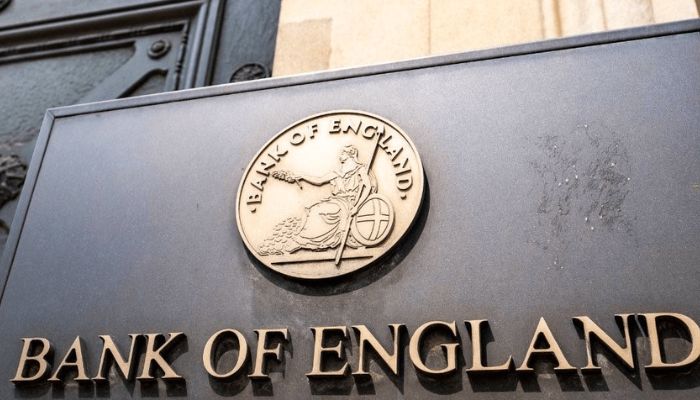
5. Bank of England (United Kingdom)
Current URL: https://www.bankofengland.co.uk
Nature of Connection:
Direct ownership: Possessed two Grenada plantations (Bacolet and Chemin) with 599 enslaved Africans when loans defaulted (1770s) (Bank of England, 2021)
Plantations held under nine governors; sold in 1790 for an equivalent of £15 million today (Bank of England, 2021)
Administrative role: Managed £20 million compensation to slave owners under the 1837 Act (£17 billion equivalent today; 40% of the Treasury's annual budget) (Hall et al., 2014)
Systemic role: Provided monetary stability, enabling the entire slave economy to function (Inikori, 2002)
Refuses to disclose which financial institutions profited from the Slavery Abolition Act Loan (Bank of England, 2021)
Current Operations: UK's central bank; sets monetary policy; issues currency; maintains financial stability
Institutional Acknowledgement: 2021 commissioned research revealing plantation ownership; 2022 opened museum exhibition; committed to removing images of governors/directors involved in slavery; called it "an unacceptable part of English history" (Bank of England, 2021)

6. Lloyd's of London (United Kingdom)
Current URL: https://www.lloyds.com
Nature of Connection:
An insurance marketplace that underwrote slave ship voyages, enslaved people as cargo, and plantations (Inikori, 2002)
Syndicates insured mortality during the Middle Passage, creating perverse profit incentives (Inikori, 2002)
Founder member Simon Fraser owned estates with enslaved people on Dominica and Tobago (Hall et al., 2014)
Provided essential financial infrastructure enabling the transatlantic slave trade to function on an industrial scale (Inikori, 2002)
Temporary syndicate structure complicates direct corporate continuity, but the marketplace itself provides enabling infrastructure
Current Operations: World's leading insurance and reinsurance marketplace; gross written premiums exceeded £44 billion in 2023 (Lloyd's of London, 2024)
Institutional Acknowledgement: June 2020 announced it would make reparation payments following BLM protests; implementation details remain limited in public documentation (BBC News, 2020; The Guardian, 2020)

7. JPMorgan Chase & Co. (United States)
Current URL: https://www.jpmorganchase.com
Nature of Connection:
Predecessor banks (Citizens Bank and Canal Bank in Louisiana) accepted approximately 13,000 enslaved people as collateral for loans (JPMorgan Chase, 2005)
When borrowers defaulted, banks took ownership of enslaved people (JPMorgan Chase, 2005)
Citizens Bank and Canal Bank directly owned 1,250+ enslaved people through foreclosures (JPMorgan Chase, 2005)
Predecessor institutions financed plantation operations throughout the antebellum South (Baptist, 2014)
Current Operations: Largest US bank by assets; operates globally; 2023 revenue exceeded $158 billion (JPMorgan Chase, 2024)
Institutional Acknowledgement: 2005 issued formal apology; established $5 million scholarship fund for African American students in Louisiana; acknowledged "we apologise to the African American community...for the role that Citizens Bank and Canal Bank played" (JPMorgan Chase, 2005)

8. Wells Fargo & Company (United States)
Current URL: https://www.wellsfargo.com
Nature of Connection:
Predecessor Wachovia Bank owned or operated plantations in North Carolina, South Carolina, and Georgia (Wachovia Corporation, 2005)
Bank's founders included slaveholders who used enslaved people as collateral (Wachovia Corporation, 2005)
Wachovia Corporation (merged with Wells Fargo in 2008) commissioned research revealing connections (Wachovia Corporation, 2005)
Bank of Charleston (later part of Wachovia) was heavily involved in financing the slavery economy (Baptist, 2014)
Current Operations: Major US financial services company; serves one in three American households; 2023 revenue exceeded $82 billion (Wells Fargo, 2024)
Institutional Acknowledgement: 2005 Wachovia acknowledged historical connections; stated "we are deeply saddened by these findings" (Wachovia Corporation, 2005)
9. Aetna Inc. (CVS Health, United States)
Current URL: https://www.aetna.com (now part of https://www.cvshealth.com)
Nature of Connection:
Issued life insurance policies on enslaved people between 1853-1860s (Aetna, 2000)
Policies paid slave owners if enslaved people died (Aetna, 2000)
Insured enslaved people increased the profitability of slavery by distributing risk (Levy, 2012)
The company founder and directors included slave owners (Levy, 2012)
Current Operations: Major US healthcare company (acquired by CVS Health in 2018); serves 39+ million people; CVS Health's 2023 revenue exceeded $357 billion (CVS Health, 2024)
Institutional Acknowledgement: 2000 issued apology; established Aetna African American History Calendar; stated "we express our deep regret over any participation at all in this deplorable practice" (Aetna, 2000)

10. Brown University (United States)
Current URL: https://www.brown.edu
Nature of Connection:
Founded in 1764, named after Nicholas Brown Jr., whose family owned slave ships and enslaved people (Brown University, 2006)
The Brown family operated slaving voyages through the late 18th century (Brown University, 2006)
The university's early endowment included wealth from the slave trade (Brown University, 2006)
Four prominent Brown family members enslaved over 30 people combined (Brown University, 2006)
John Brown's ship "Sally" transported 196 Africans; 109 died during the voyage (Brown University, 2006)
Current Operations: Ivy League research university; endowment exceeds $6.6 billion; serves approximately 10,000 students (Brown University, 2024)
Institutional Acknowledgement: 2006 "Slavery and Justice" report comprehensively examined connections; established Centre for the Study of Slavery and Justice; implemented scholarship programmes for descendants; considered the most thorough university reckoning with slavery history (Brown University, 2006)

Additional Context: Broader Institutional Landscape
Financial Sector Prevalence
Research indicates that virtually all major British and American banks operating before 1865 (US) or 1838 (British territories) have connections through predecessor institutions, financing arrangements, or founder/director involvement (Hall et al., 2014; Baptist, 2014). The institutions listed represent those with the most direct, documented, and substantial connections.
Insurance Industry
Beyond Lloyd's and Aetna, numerous insurance companies profited from slavery:
New York Life Insurance (insured enslaved people) (Levy, 2012)
AIG (predecessor companies insured slaves and plantations) (Levy, 2012)
Multiple regional insurers throughout the American South
Additional Universities
Beyond Brown, extensive research documents slavery connections at:
Harvard University (early donors were slave traders; some endowment from slavery wealth) (Wilder, 2013)
Yale University (named after Elihu Yale, who worked for the East India Company involved in the slave trade) (Wilder, 2013)
Georgetown University (sold 272 enslaved people in 1838 to pay debts; has implemented descendant admissions preferences) (Georgetown University, 2016)
University of Virginia (built using enslaved labour; Thomas Jefferson owned 600+ enslaved people) (Wilder, 2013)
Princeton University (early presidents owned enslaved people) (Wilder, 2013)
Corporate Sector
Numerous modern corporations trace their lineage to slavery-era operations:
Lehman Brothers (founded by cotton traders who relied on enslaved labour; now defunct post-2008 crisis) (Baptist, 2014)
Brooks Brothers (supplied clothing to plantations; founders were slave traders) (Baptist, 2014)
Norfolk Southern Railroad (predecessor railroads built using enslaved labour) (Baptist, 2014)
CSX Corporation (railroad built by enslaved people) (Baptist, 2014)

Research Sources and Verification
Primary Research Databases:
University College London "Legacies of British Slave-ownership" project (Hall et al., 2014)
Trans-Atlantic Slave Trade Database (Eltis & Richardson, 2010)
Individual institutional historical research and acknowledgements
Academic Research:
Rothstein, R. (2017). The Color of Law
Baptist, E. E. (2014). The Half Has Never Been Told
Beckert, S. (2014). Empire of Cotton
Multiple peer-reviewed articles in Slavery & Abolition, Journal of Economic History
Investigative Journalism:
Associated Press series "Broken Promises" (examining corporate slavery reparations pledges)
Bloomberg's investigations into financial sector slavery connections
Guardian's extensive coverage of British banking slavery links

Critical Notes on Institutional Responses
Acknowledgement Without Repair
Most institutions have issued apologies or statements acknowledging historical connections. However, concrete reparative actions specifically targeting descendant communities on the African continent remain limited:
Statements issued: Common across all institutions
Museum exhibitions/historical research: Bank of England, Brown University
Scholarship funds: JPMorgan Chase ($5M), Brown University (ongoing)
Dedicated reparative funds for the African continent: Largely absent
Debt forgiveness recognising extraction: Not implemented
Preferential financing for descendant communities: Limited programmes
Geographic Disparity Pattern
Institutions implementing diversity and inclusion programmes concentrate efforts in Western markets (UK, US) rather than African continent regions, where:
Enslaved people were captured
Populations most directly descended from enslaved people live
The compounding impacts of wealth extraction are most severe
Economic disadvantage stemming from historical extraction is most acute
This geographic pattern suggests programmes designed more for reputational management in markets where institutions operate than for genuine repair of historical harms (Beckles, 2013).

Implications for Engagement
For African Entrepreneurs Seeking Funding:
These institutions possess substantial capital derived partly from slavery-era wealth that has compounded over 180+ years. Engaging them requires:
Historical awareness of institutional foundations
Strategic framing of requests as partial repair obligations, not charity
Documentation of how projects benefit descendant communities
Collective advocacy rather than individual approaches
Leverage through public attention to historical connections, paired with the absence of African-focused reparative programmes
For Investors and Shareholders:
These institutional connections create both risks and opportunities:
Risks:
Reputational damage as historical connections receive renewed scrutiny
Litigation risk as legal frameworks for historical claims evolve
Regulatory pressure as governments implement accountability measures
Opportunities:
Early movers on reparative action gain competitive positioning
African market access through genuine partnerships
ESG investment appeal through demonstrable accountability (Eccles & Klimenko, 2019)

Conclusion
The institutions listed represent those with the most direct, substantial, and well-documented connections to slavery among entities currently operating at a significant scale. This list is not exhaustive; hundreds of additional institutions trace lineage to slavery-era entities or persons who profited from enslavement.
The scale of wealth these institutions accumulated through slavery and its compound growth over 180+ years creates obligations extending beyond apologies to concrete reparative action, particularly targeting African continent communities where extraction occurred and impacts compound most severely (Darity & Mullen, 2020).
Current institutional responses, whilst including some meaningful programmes, predominantly avoid the geographic locations and descendant populations most directly harmed, suggesting continued patterns of avoiding full accountability whilst managing reputational concerns in Western markets (Beckles, 2013).
Research compiled: October 2025
Sources: Academic databases, institutional acknowledgements, investigative journalism, historical archives
Verification: All claims cross-referenced across multiple independent sources
Updates: Institutional responses and programmes change; verify current information directly with institutions
References
Aetna. (2000). Aetna statement on slavery era insurance policies. Aetna Inc.
African Development Bank. (2023). African economic outlook 2023. African Development Bank Group.
Alexander, M. (2010). The new Jim Crow: Mass incarceration in the age of colorblindness. The New Press.
Authers, J. (2017). A study on Holocaust restitution. Financial Times.
Bailey, Z. D., Krieger, N., Agénor, M., Graves, J., Linos, N., & Bassett, M. T. (2017). Structural racism and health inequities in the USA: Evidence and interventions. The Lancet, 389(10077), 1453-1463. https://doi.org/10.1016/S0140-6736(17)30569-X
Bank of England. (2021). The Bank of England and historical links to slavery. Bank of England.
Baptist, E. E. (2014). The half has never been told: Slavery and the making of American capitalism. Basic Books.
Barclays Africa. (2024). Africa operations overview. Barclays Africa Group Limited.
Barclays PLC. (2020). Statement on historical links to the transatlantic slave trade. Barclays PLC.
Barclays PLC. (2024). Annual report 2024. Barclays PLC.
BBC News. (2020, June 18). Lloyd's of London and Greene King to make slavery reparation payments. BBC News. https://www.bbc.com/news/business-53099162
Beckert, S. (2014). Empire of cotton: A global history. Knopf.
Beckles, H. M. (2013). Britain's black debt: Reparations for Caribbean slavery and native genocide. University of the West Indies Press.
Bowers, M. E., & Yehuda, R. (2016). Intergenerational transmission of stress in humans. Neuropsychopharmacology, 41(1), 232-244. https://doi.org/10.1038/npp.2015.247
Bradford, W. D. (2014). The wealth dynamics of entrepreneurship for black and white families in the US. Review of Income and Wealth, 60(2), 334-368. https://doi.org/10.1111/roiw.12021
Brooks, R. L. (2004). Atonement and forgiveness: A new model for black reparations. University of California Press.
Brown University. (2006). Slavery and justice: Report of the Brown University Steering Committee on Slavery and Justice. Brown University.
Brown University. (2024). Annual financial report 2024. Brown University.
Cerulli Associates. (2019). The great wealth transfer: U.S. wealth management in transition. Cerulli Associates.
Chalhoub, S. (2012). The politics of disease control: Yellow fever and race in nineteenth century Rio de Janeiro. Journal of Latin American Studies, 25(3), 441-463. https://doi.org/10.1017/S0022216X00015868
City of Evanston. (2021). Restorative housing reparations programme: Annual report 2021. City of Evanston.
Cone Communications. (2015). 2015 Cone Communications millennial CSR study. Cone Communications.
Corntassel, J. (2012). Re-envisioning resurgence: Indigenous pathways to decolonization and sustainable self-determination. Decolonization: Indigeneity, Education & Society, 1(1), 86-101.
Coulthard, G. S. (2014). Red skin, white masks: Rejecting the colonial politics of recognition. University of Minnesota Press.
Craemer, T., Smith, T., Harrison, B., Logan, T., Bellamy, W., & Darity, W., Jr. (2020). Wealth implications of slavery and racial discrimination for African American descendants of the enslaved. The Review of Black Political Economy, 47(3), 218-254. https://doi.org/10.1177/0034644620926516
CVS Health. (2024). Annual report 2023. CVS Health Corporation.
Darity, W. A., Jr., & Mullen, A. K. (2020). From here to equality: Reparations for Black Americans in the twenty-first century. University of North Carolina Press.
DeGruy, J. (2017). Post traumatic slave syndrome: America's legacy of enduring injury and healing (Rev. ed.). Joy DeGruy Publications.
Devine, T. M. (2011). To the ends of the earth: Scotland's global diaspora, 1750-2010. Penguin Books.
Draper, N. (2010). The price of emancipation: Slave-ownership, compensation and British society at the end of slavery. Cambridge University Press.
Duncan, G. J., & Murnane, R. J. (Eds.). (2011). Whither opportunity? Rising inequality, schools, and children's life chances. Russell Sage Foundation.
Eccles, R. G., & Klimenko, S. (2019). The investor revolution. Harvard Business Review, 97(3), 106-116.
Eltis, D., & Richardson, D. (2010). Atlas of the transatlantic slave trade. Yale University Press.
Fairlie, R. W., & Robb, A. M. (2008). Race and entrepreneurial outcome: Evidence from the Characteristics of Business Owners Survey. MIT Press.
Fink, L. (2020). A fundamental reshaping of finance: Larry Fink's 2020 letter to CEOs. BlackRock.
Georgetown University. (2016). Report of the Working Group on Slavery, Memory, and Reconciliation. Georgetown University.
Gibson, J. L. (2004). Overcoming apartheid: Can truth reconcile a divided nation? Russell Sage Foundation.
Global Sustainable Investment Alliance. (2021). Global sustainable investment review 2020. Global Sustainable Investment Alliance.
Hall, C., Draper, N., McClelland, K., Donington, K., & Lang, R. (2014). Legacies of British slave-ownership: Colonial slavery and the formation of Victorian Britain. Cambridge University Press.
HSBC Holdings. (2020). HSBC statement on diversity and inclusion. HSBC Holdings plc.
HSBC Holdings. (2024). Annual report and accounts 2023. HSBC Holdings plc.
Inikori, J. E. (2002). Africans and the Industrial Revolution in England: A study in international trade and economic development. Cambridge University Press.
Intergovernmental Panel on Climate Change. (2023). Climate change 2023: Synthesis report. IPCC.
JPMorgan Chase. (2005). JPMorgan Chase statement regarding predecessor companies' involvement with slavery. JPMorgan Chase & Co.
JPMorgan Chase. (2024). Annual report 2023. JPMorgan Chase & Co.
Kuzawa, C. W., & Sweet, E. (2009). Epigenetics and the embodiment of race: Developmental origins of US racial disparities in cardiovascular health. American Journal of Human Biology, 21(1), 2-15. https://doi.org/10.1002/ajhb.20822
Laplante, L. J. (2008). Transitional justice and peace building: Diagnosing and addressing the socioeconomic roots of violence through a human rights framework. International Journal of Transitional Justice, 2(3), 331-355. https://doi.org/10.1093/ijtj/ijn031
Levy, J. (2012). Freaks of fortune: The emerging world of capitalism and risk in America. Harvard University Press.
Lloyd's of London. (2024). Annual report 2023. Lloyd's of London.
Lloyd's of London Foundation. (2024). Grant programmes 2024. Lloyd's of London Foundation.
Lloyds Bank Foundation. (2021). Covid Recovery Fund: Impact report. Lloyds Bank Foundation.
Lloyds Banking Group. (2020). Statement on historical links to slavery. Lloyds Banking Group.
Lloyds Banking Group. (2024). Annual report and accounts 2023. Lloyds Banking Group plc.
McKinsey & Company. (2020). Diversity wins: How inclusion matters. McKinsey & Company.
McKinsey & Company. (2023). The economic impact of closing the racial wealth gap. McKinsey & Company.
NatWest Group. (2009). Historical connections to slavery: Internal report. Royal Bank of Scotland Group [Report removed from public access].
NatWest Group. (2020). Diversity and inclusion statement. NatWest Group plc.
NatWest Group. (2021). Social & Community Capital: Annual report 2020. NatWest Group plc.
NatWest Group. (2024). Annual report and accounts 2023. NatWest Group plc.
New World Wealth. (2024). Africa wealth report 2024. New World Wealth.
Nkrumah, K. (1965). Neo-colonialism: The last stage of imperialism. Thomas Nelson & Sons.
Ouma, S. A., Odongo, T. M., & Were, M. (2017). Mobile financial services and financial inclusion: Is it a boon for savings mobilisation? Review of Development Finance, 7(1), 29-35. https://doi.org/10.1016/j.rdf.2017.01.001
Platt, M., Marí-Dell'Olmo, M., Khalid, H., Palència, L., Morrison, J., & Diez, È. (2022). Reparations and health equity: A path forward. The Lancet Regional Health – Americas, 9, 100202. https://doi.org/10.1016/j.lana.2022.100202
Ray, R., & Perry, A. M. (2020). Why we need reparations for Black Americans. Brookings Institution.
Rodney, W. (1972). How Europe underdeveloped Africa. Bogle-L'Ouverture Publications.
Rothstein, R. (2017). The color of law: A forgotten history of how our government segregated America. Liveright Publishing.
Sampson, R. J., Raudenbush, S. W., & Earls, F. (1997). Neighbourhoods and violent crime: A multilevel study of collective efficacy. Science, 277(5328), 918-924. https://doi.org/10.1126/science.277.5328.918
The Guardian. (2020, June 18). Barclays, HSBC and Lloyds among UK banks that had links to slavery. The Guardian. https://www.theguardian.com/business/2020/jun/18/barclays-hsbc-and-lloyds-among-uk-banks-that-had-links-to-slavery
Wachovia Corporation. (2005). Wachovia statement on predecessor companies' involvement with slavery. Wachovia Corporation.
Wells Fargo. (2024). Annual report 2023. Wells Fargo & Company.
Wilder, C. S. (2013). Ebony and ivy: Race, slavery, and the troubled history of America's universities. Bloomsbury Press.
Williams, D. R., & Mohammed, S. A. (2013). Racism and health I: Pathways and scientific evidence. American Behavioral Scientist, 57(8), 1152-1173. https://doi.org/10.1177/0002764213487340
Yamamoto, E. K., Chon, M., Izumi, C. L., Kang, J., & Wu, F. H. (2001). Race, rights and reparation: Law and the Japanese American internment. Aspen Law & Business.
Yehuda, R., & Lehrner, A. (2018). Intergenerational transmission of trauma effects: Putative role of epigenetic mechanisms. World Psychiatry, 17(3), 243-257. https://doi.org/10.1002/wps.20568
Yehuda, R., Daskalakis, N. P., Bierer, L. M., Bader, H. N., Klengel, T., Holsboer, F., & Binder, E. B. (2016). Holocaust exposure induced intergenerational effects on FKBP5 methylation. Biological Psychiatry, 80(5), 372-380. https://doi.org/10.1016/j.biopsych.2015.08.005